
English| EUR
Suggested for you
More currencies
Choose a language
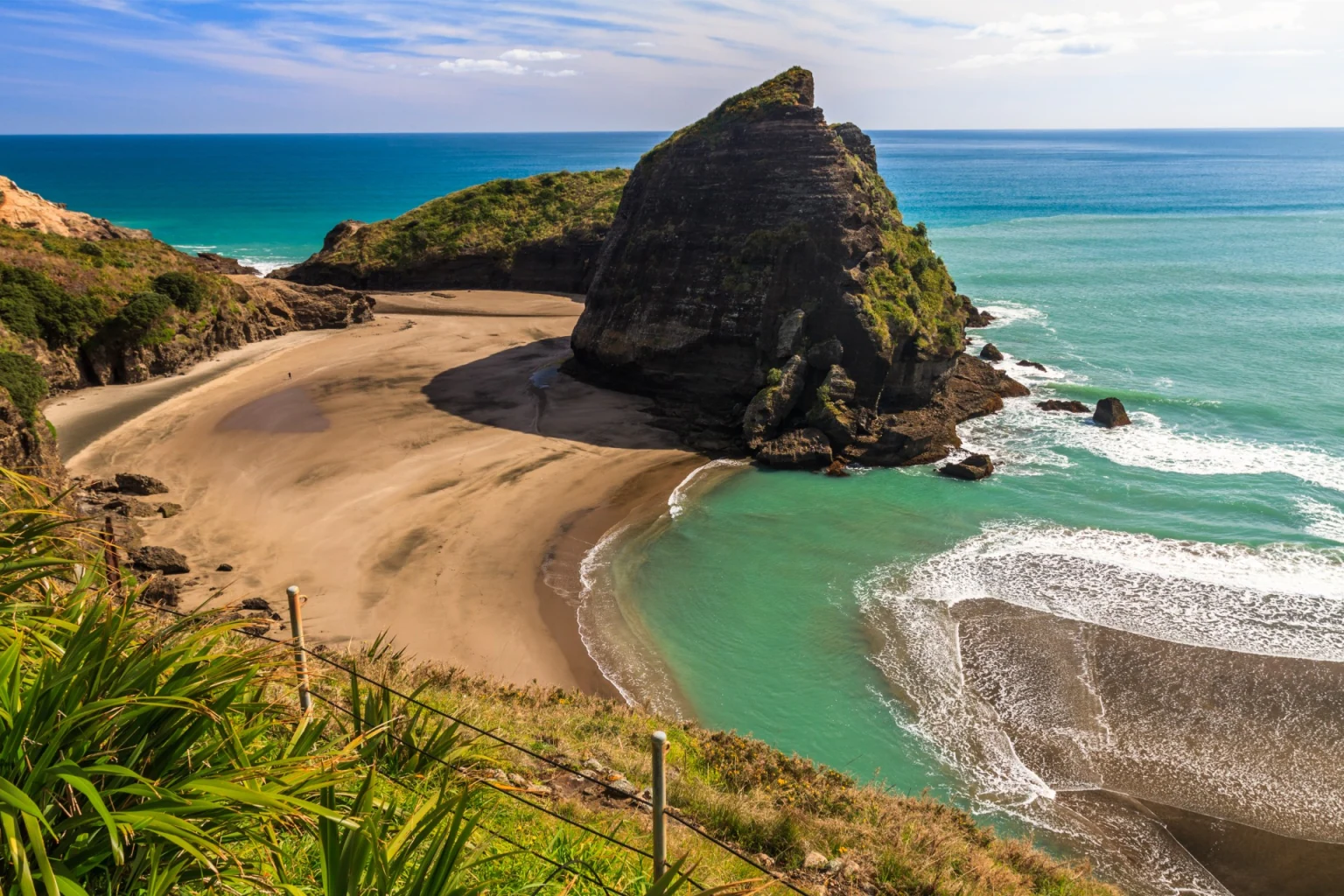
Piha Beach draws thousands of visitors each year to its dramatic black sand and thundering surf, yet it remains one of New Zealand's most dangerous swimming spots. The beach sits fully exposed to the Tasman Sea, where unobstructed swells generate powerful rip currents and unpredictable wave conditions. This guide explains the hazards, identifies the safest zones, and shows you how to visit Piha without putting yourself at risk.
Quick answer
Yes, Piha Beach is dangerous. Powerful rip currents, heavy surf and submerged rocks have caused numerous drownings and rescues over the years. The beach is patrolled by lifeguards during summer months, typically between 08:00 and 18:00, and swimmers are strongly advised to stay within the flagged area. Outside patrol hours or in rough conditions, even experienced swimmers face serious risk.
Piha Beach records more rescues and drownings than nearly any other beach in the Auckland region. The Tasman Sea delivers unobstructed swells that build into waves exceeding three metres, and the beach's steep profile creates powerful backwash that pulls swimmers offshore. Rip currents form along the rocky outcrops at either end of the beach and in channels near the base of Lion Rock, the iconic formation that divides the beach into north and south sections. These rips can move faster than an Olympic swimmer, and they have caught out both locals and visitors who underestimated the conditions. The black sand, formed from compressed volcanic iron, provides little grip underfoot when wet, and the steep drop-off means shallow water transitions abruptly to deep. Submerged boulders near the shoreline have caused injuries during king tides and storm surges. The beach offers no natural shelter from wind, and hypothermia remains a concern even in summer when water temperatures hover between 16 and 19 degrees Celsius. Visiting surfers familiar with reef breaks elsewhere often misjudge Piha's shorebreak, which collapses directly onto sand and rock rather than tapering gradually. Swimming between the red and yellow flags during patrol hours reduces risk substantially. Lifeguards monitor conditions in real time and relocate the flags when rips shift or swell builds. The flagged zone is almost always positioned on the beach's central stretch, away from the rocky headlands where most incidents occur. If you arrive outside patrol hours or when flags are not set, the safest decision is to stay on shore. Piha's beauty does not diminish when viewed from the sand, and the rainforest walks behind the beach offer spectacular vantage points without the hazards of the surf zone. Local surf clubs have called Piha Beach dangerous for decades, yet the label has done little to deter swimmers unfamiliar with its power. The combination of accessible parking, striking scenery and proximity to Auckland makes it a popular day trip, and many visitors arrive without checking swell forecasts or tide charts. Understanding the conditions before you step onto the sand is the single most effective way to avoid becoming a statistic. The beach remains open year-round, but respect for its forces separates a memorable visit from a tragic one.
“Rip currents at Piha can move faster than an Olympic swimmer, and they form in channels that shift with every tide.”
Piha Beach is one of New Zealand's most dangerous surf beaches, claiming lives every year. The primary risk is powerful rip currents that can sweep even strong swimmers out to sea.
Swimming outside the flagged patrol area
Always swim between the red and yellow flags where lifeguards can see you. Rips are strongest outside these zones, and rescue response time increases dramatically.
Underestimating the rip current strength on calm-looking days
Rips run year-round regardless of surface conditions. If caught, swim parallel to shore until free of the current, then angle back to the beach—never fight directly against it.
Ignoring the beach when lifeguards are off duty
Lifeguard patrols typically operate 08:00–18:00 during summer months. Swimming outside these hours removes your safety net; if you must enter the water, stay in shallow zones and never go alone.
Turning your back on the waves near the shore
Piha's shore break can knock you down and drag you under in knee-deep water. Always face the ocean, watch for set waves, and keep your footing stable on the steep sand slope.
Bringing children or weak swimmers without proper supervision
The beach has no gradual shallow area—depth increases quickly and rips form close to shore. Non-confident swimmers should stay out of the water entirely or remain in ankle-deep zones with constant adult contact.
The safest time to visit Piha Beach is during the summer months within the lifeguard patrol window of 08:00–18:00. Outside of these hours or seasons, the risk of dangerous rips and currents increases significantly for those entering the water.
Warm with temperatures 20°C–25°C
Lifeguards patrol during the 08:00–18:00 arrival window. Swimming is safest between the flags during these times.
Mild with temperatures 15°C–20°C
Patrols are limited or absent. Water conditions remain unpredictable and potentially hazardous for swimmers.
Cool with temperatures 10°C–15°C
Lifeguard patrols are typically not active. The beach is prone to large swells and dangerous surf conditions.
Verdict: The best window for safer conditions is during the summer months between 08:00 and 18:00 when lifeguard patrols are active.
Piha's powerful surf and rip currents make following beach safety protocols non-negotiable. Respecting lifeguard authority and patrol boundaries directly determines swimmer survival rates.
Piha Beach is located on the west coast of Auckland, New Zealand. The most direct approach is by car, which allows visitors to navigate the winding roads leading to the coast.
Piha Road from Henderson to Marine Parade South
395 bus to Glen Eden, then local transport options
The drive to Piha involves narrow, winding roads through the Waitakere Ranges; drive with caution and adhere to speed limits. Aim to arrive within the recommended window of 08:00–18:00 to align with lifeguard patrol hours.
Access to Piha Beach is managed by the Auckland Council and is open to the public without charge. There are no admission fees required to visit the beach or its surrounding areas.
Verdict: A typical adult pays 0 NZD for access, as there are no ticketed entry points at this location.
Piha Beach is physically accessible 24 hours a day, seven days a week. However, visitors should note that lifeguard services are only available during specific hours.
While the beach is accessible year-round, lifeguard patrols typically operate between 08:00 and 18:00 during the summer season.
Everything you need to know about is piha beach dangerous
Piha Beach is renowned for powerful surf and complex ocean conditions, meaning it can be hazardous for inexperienced swimmers. Understanding that is piha beach dangerous helps visitors respect the black sand coastline and its unpredictable nature. Always stay within the flagged areas designated by surf lifesavers to remain safe.
Strong rips and heavy swells often create conditions where is piha beach dangerous for even strong swimmers. These currents can change rapidly with the tide, making constant vigilance essential. Visitors should always observe current ocean warnings before entering the water.
To safely enjoy this Auckland landmark, visitors should stay between the red and yellow patrol flags. Recognizing that is piha beach dangerous requires respecting the power of the Tasman Sea and listening to instructions from the Piha Surf Life Saving Club.
The beach features strong undercurrents and deep drop-offs that make it unsuitable for small children unless supervised in very shallow, controlled areas. Parents should be aware that is piha beach dangerous due to these sudden depth changes and powerful wave action. Keeping children away from the water's edge is the safest approach.
Lifeguard patrols typically operate between 08:00 and 18:00 during the summer season. During these hours, professional teams monitor the surf to ensure the safest possible swimming conditions for the public.
There is 0 NZD fee for public entry to the beach. Visitors can access the area freely at any time of the week.
The beach is located at Marine Parade South, Piha, Auckland 0772, New Zealand. While you can drive to the site, visitors should exercise caution on the winding access roads leading to the coast.