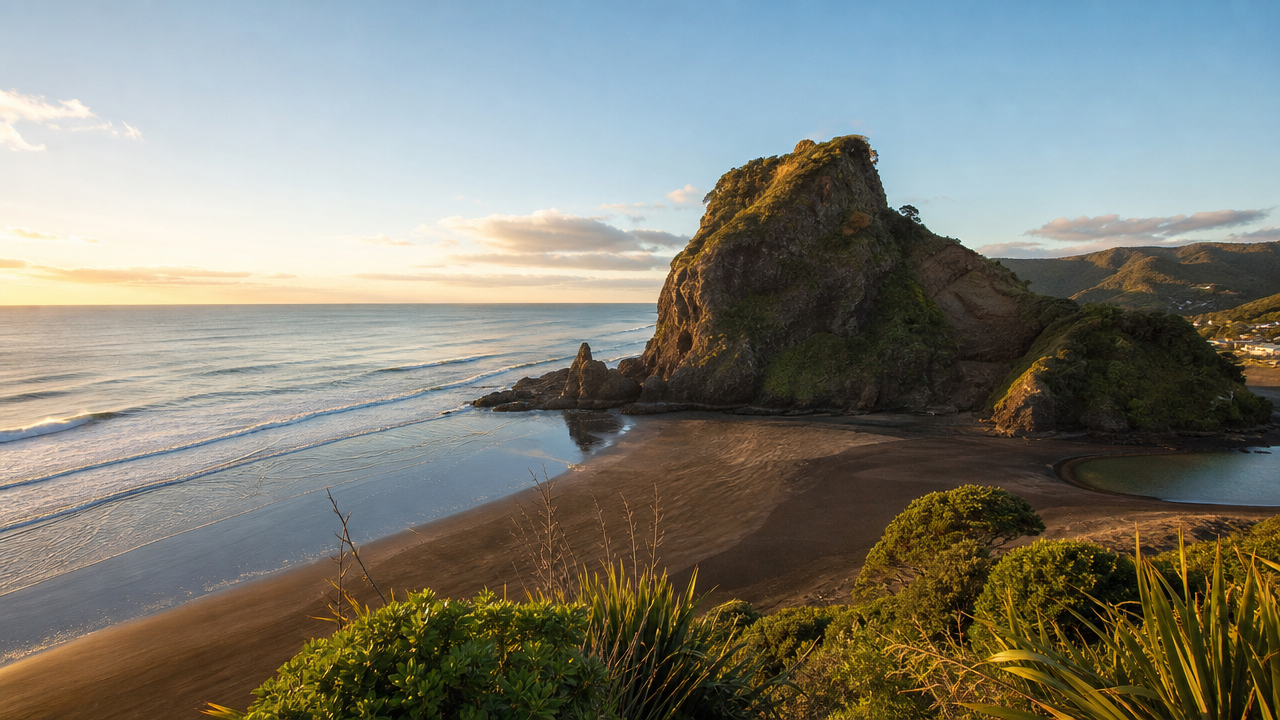
Lion Rock
5 min walk
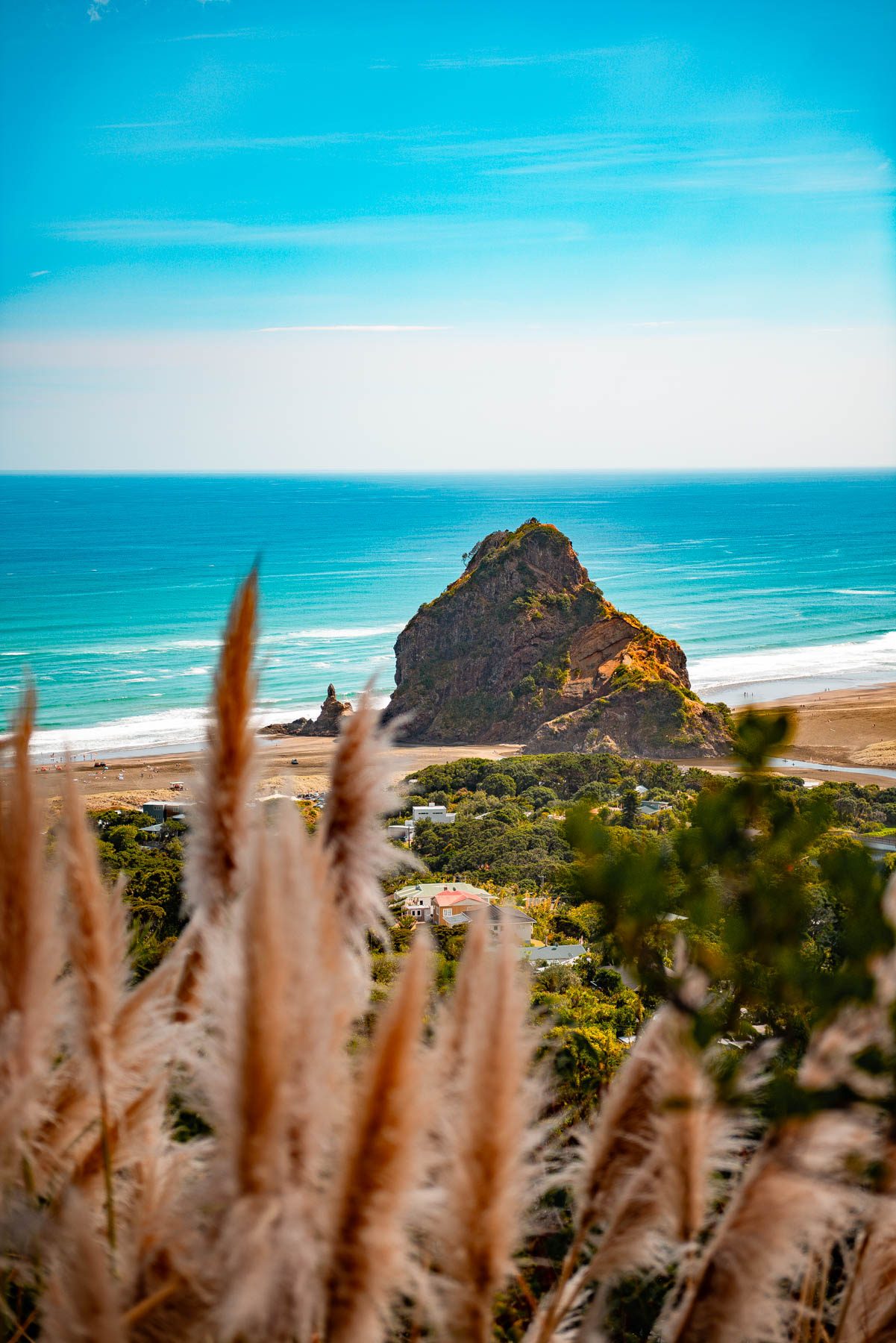
This iconic volcanic plug sits directly on the beach, offering a short ascent for a view across the sand and ocean.

Piha Beach occupies a dramatic pocket of Auckland's western coastline, hemmed by rainforest ridges and exposed to the full force of the Tasman Sea. The beach stretches two kilometres from north to south, but Lion Rock—a 101-metre trachyte pillar—divides the strand into two functional halves. Most visitors arrive to swim, surf, or walk the black-sand shore, and the answer to how far you'll walk depends on which section you choose and whether you're prepared for the tide.
Quick answer
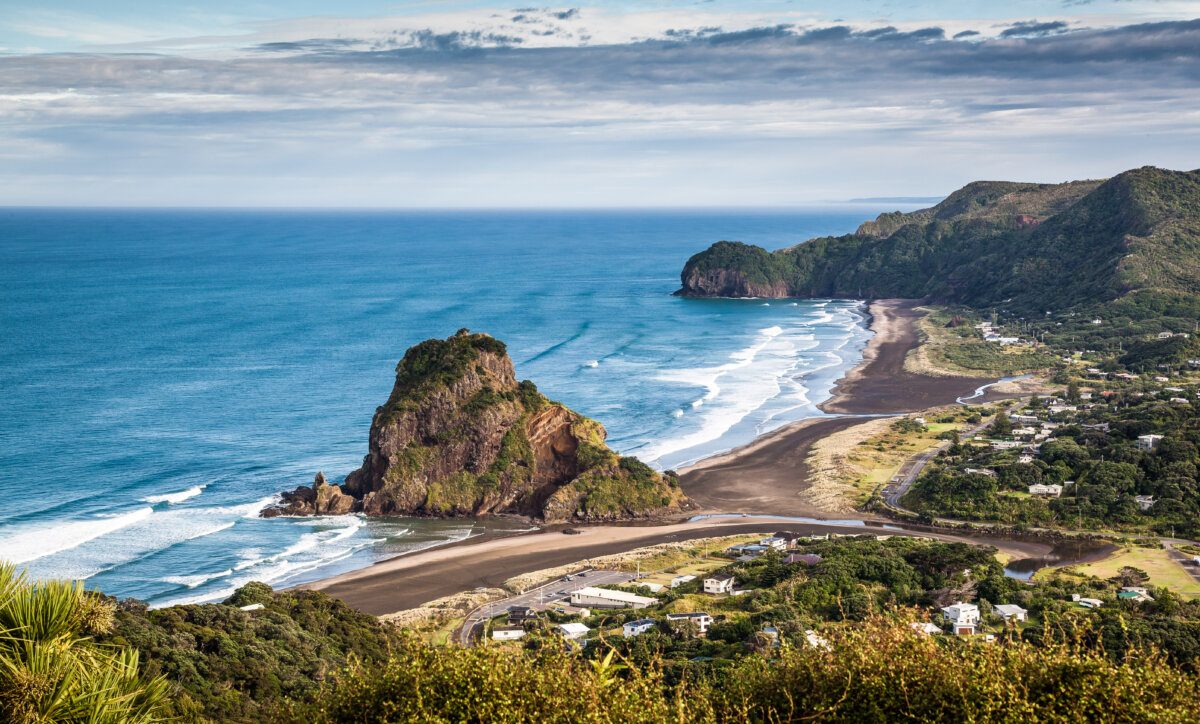
Piha Beach measures approximately 2 kilometres from its northern headland to the southern cliffs. Lion Rock splits the strand into North Piha—a 1.2-kilometre stretch favoured by swimmers—and South Piha, which runs 800 metres and draws the surf breaks. At low tide, you can walk the full length; at high tide, Lion Rock cuts the passage and you'll need to loop via Marine Parade.
Piha's black iron-sand coastline is born from ancient volcanic eruptions that laid down the basement rock of the Waitākere Ranges. The beach itself is geologically young—erosion and longshore drift shaped the modern strand over the past few thousand years—but the trachyte plug of Lion Rock has stood offshore for sixteen million years, a navigation marker visible from the Tasman and the anchor point that defines how long is Piha Beach for anyone planning a visit. The northern section runs 1.2 kilometres, bounded by Camel Rock to the north and Lion Rock to the south. It is the wider, more sheltered half, patrolled in summer and preferred by families. The southern section measures 800 metres, narrower and exposed to stronger rips. Surfers cluster here; the break known as The Bar sits just offshore. At low tide, a rock platform links north and south around the base of Lion Rock, and the full two-kilometre walk becomes possible. At high tide, the sea cuts through and you must return the way you came or take the 400-metre road detour along Marine Parade. Most walkers cover the beach length in twenty to thirty minutes at a steady pace, longer if you stop to examine tide pools or photograph the rock. The sand is firm below the high-tide line but soft and steep near the dunes. Footwear helps: the iron sand heats quickly in summer and the surface is scattered with driftwood and shell fragments. Piha is open around the clock, and entry is free. The beach lies thirty-nine kilometres west of central Auckland, reached via a winding road through the Waitākere Ranges that takes forty-five minutes in good conditions. Parking fills early on weekends between December and March; the council recommends arrival before 10:00 to secure a spot near the beach. The strand faces west and catches the afternoon sun, but weather turns fast—wind, rain, and heavy surf can arrive with little warning, and the rip currents are strong enough that SLSNZ posts warnings year-round. Lifeguards patrol the flagged zone at North Piha on summer weekends, but outside those hours and areas, you swim at your own risk.
“At low tide, the full two-kilometre walk becomes possible; at high tide, the sea cuts through and you must return the way you came.”
Piha Beach suits both quick visits and full-day escapes. A minimal stop takes one to two hours, while those exploring tide pools, hiking Lion Rock, or surfing can easily fill four to six hours.
Park early to secure a space near the sand, then walk the black-iron-sand shore stretching roughly 2 kilometers from end to end. Budget 30–45 minutes for a full beach walk.
The iconic rock formation at the southern end offers a 15–20 minute climb with sweeping coastal views. Wear shoes with grip; the path can be steep and loose.
Lifeguards patrol the central beach during summer; strong rips make this essential for swimmers. Experienced surfers often spend two to three hours in the consistent westerly swell.
Low tide reveals rock platforms and small sea caves at both ends of the beach. Allow 45 minutes to an hour for careful exploration—surfaces are slippery.
Piha connects to quieter neighboring beaches via coastal tracks; Gap Beach is a 20-minute walk south, Whites Beach 30 minutes north. Both extend your visit and offer solitude.
The best arrival window is 08:00–10:00 to avoid peak parking congestion and secure a space near the beach. Planning your visit around these hours ensures you have adequate time to enjoy the coastline before tidal changes affect swimming conditions.
—
These times offer the quietest experience for exploring the shoreline. Visiting early avoids the heavy influx of weekend visitors.
Warm, 20°C–25°C
Longer days provide more daylight for activities. Expect significant parking pressure during these months.
Mild, 15°C–20°C
Temperatures are comfortable for walking the length of the beach. Tides are generally consistent for coastal access.
Verdict: The optimal time to visit is during the weekday window of 08:00–10:00 within the shoulder seasons of March to May or September to November.
Piha Beach is located on the west coast of Auckland, New Zealand. The most direct way to reach the destination is by private vehicle, taking the B45 road through the Waitākere Ranges.
State Highway 16 to Piha Road
Private hire via Auckland CBD
No direct public transit service to Marine Parade
To ensure convenient access to Marine Parade, Piha, Auckland 0772, New Zealand, plan your arrival between 08:00–10:00. This window helps avoid peak parking congestion and increases the likelihood of finding space near the beach.
Piha Beach is a public coastal area managed by the Auckland Council. There are no entrance fees or ticket requirements for visitors.
Verdict: A typical adult pays 0 NZD for entry, as there are no admission costs associated with visiting the beach.
Piha Beach is accessible to the public throughout the week. The area remains open for visitors at all hours.
The Waitakere Ranges offer several trails and viewpoints that integrate well with the coastal landscape of Piha Beach. These locations provide elevated perspectives of the Tasman Sea and native rainforest canopy.
5 min walk
This iconic volcanic plug sits directly on the beach, offering a short ascent for a view across the sand and ocean.
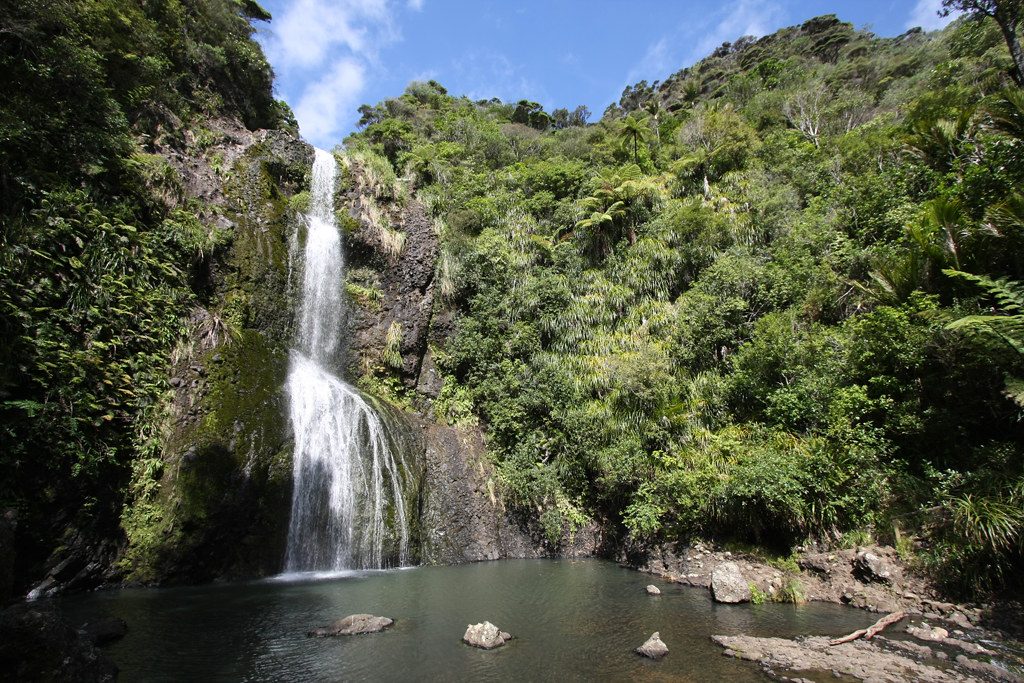
20 min walk
A moderate forest trail leading to a multi-tiered waterfall that provides a cool contrast to the exposed beach environment.
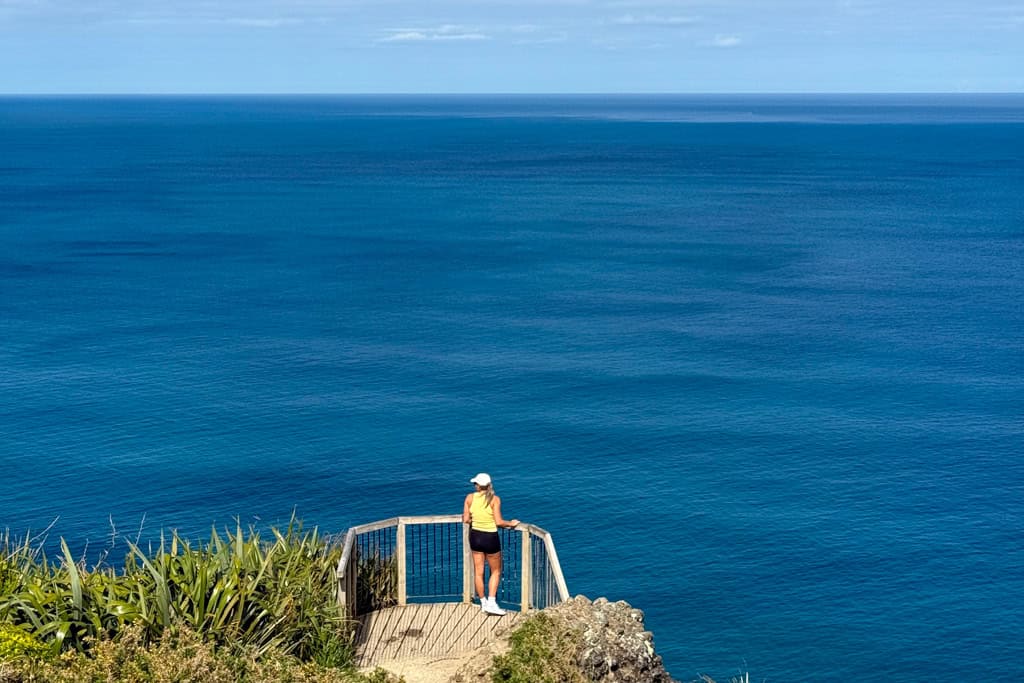
5 min drive
This cliff-top walk features expansive views of the coastline and is positioned just a short distance from the main beach area.
5 min drive
A short path provides a view of the rugged coastline and the sea arch, highlighting the dramatic geology of the area.
Everything you need to know about how long is piha beach
The stretch of sand known as Piha Beach is approximately 2 to 3 kilometers in length, providing ample space for walking and exploring the coastline. Knowing how long is piha beach helps visitors plan their walk across the black volcanic sands.
While the precise walkable extent can vary with the tide, the main sweep of the shoreline remains a significant feature of this natural Auckland landmark. Many travelers often wonder how long is piha beach when planning their coastal itinerary.
Yes, this location features seasonal surf lifesaving patrols which monitor the dangerous rips and currents common in the Tasman Sea. Please stay between the flags when swimming in this powerful surf environment.
Entrance to this public coastal area is 0 NZD, as it is managed by the council for community access. You do not need to pay a fee to enjoy the scenery or the natural environment.
To avoid peak parking congestion and find space near the beach, we recommend an arrival window between 08:00 and 10:00. Arriving early ensures you can comfortably explore the area and discover how long is piha beach for yourself.
Swimming here can be hazardous due to strong undertows, so it is important to exercise caution and heed all warning signs. Always prioritize safety while visiting this iconic west coast site.