5 hr
Piha Beach & Waitakere Rainforest Half-Day Tour
Discover Auckland's wild west coast: black-sand beaches, ancient kauri forest, and Tasman Sea views.
Reserve
Hand-picked by our editors — only the best 5 experiences from 12 reviewed.
Verified partners for every tour, free cancellation where available, and instant confirmation on every booking.
5 hr
Discover Auckland's wild west coast: black-sand beaches, ancient kauri forest, and Tasman Sea views.
Reserve
8 hr 30 min
Full-day journey through Auckland's urban heart, ancient forests, and dramatic west coast beaches
Reserve
6 hr
Journey through ancient rainforest to New Zealand's legendary black sand surf beach and cascading waterfalls
ReservePrices from verified partners. Availability updates in real time at checkout. Free cancellation policies apply where shown.
The landmarks, rooms, and views travelers on this tour remember — all visible on a single visit.
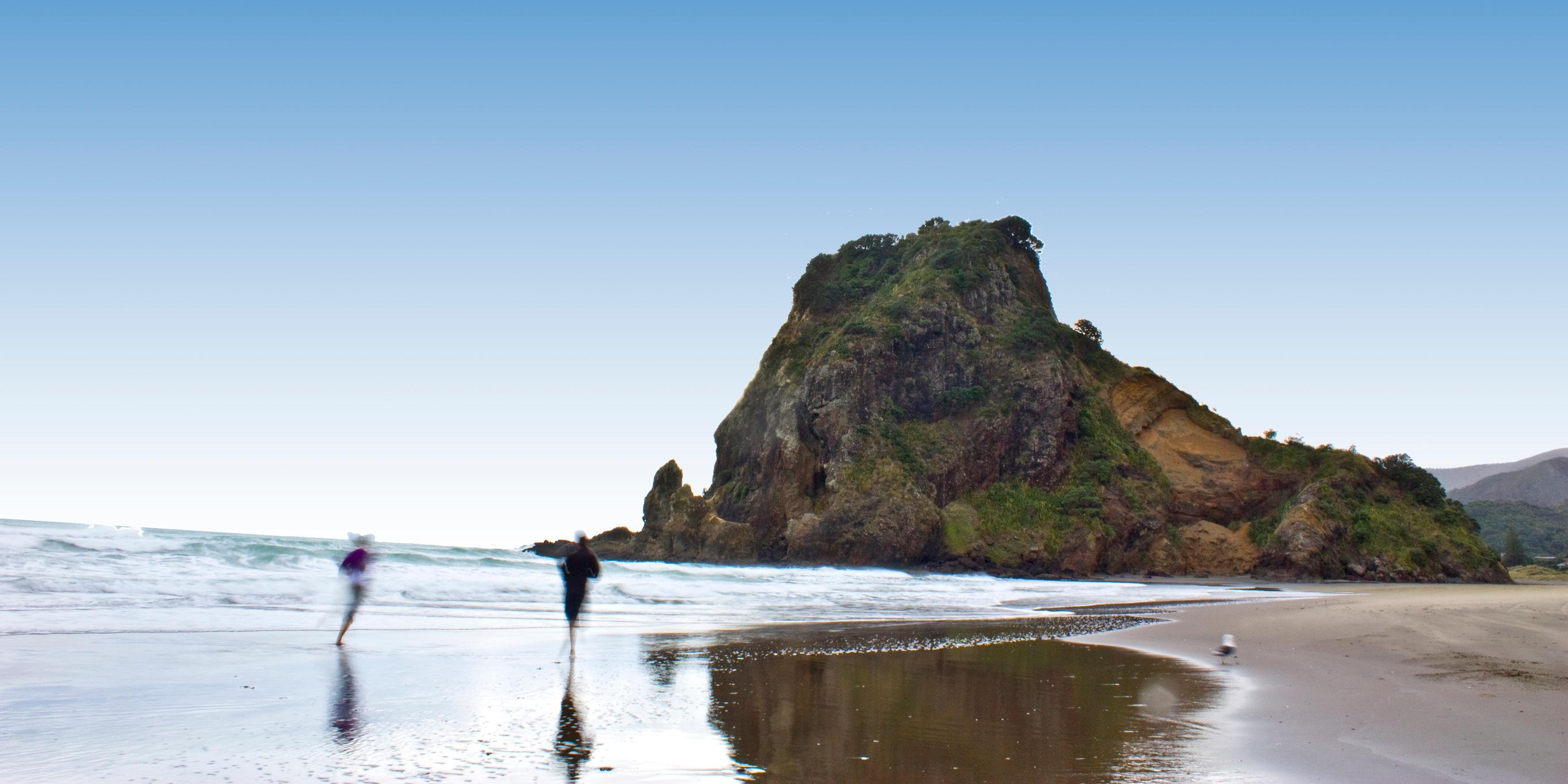
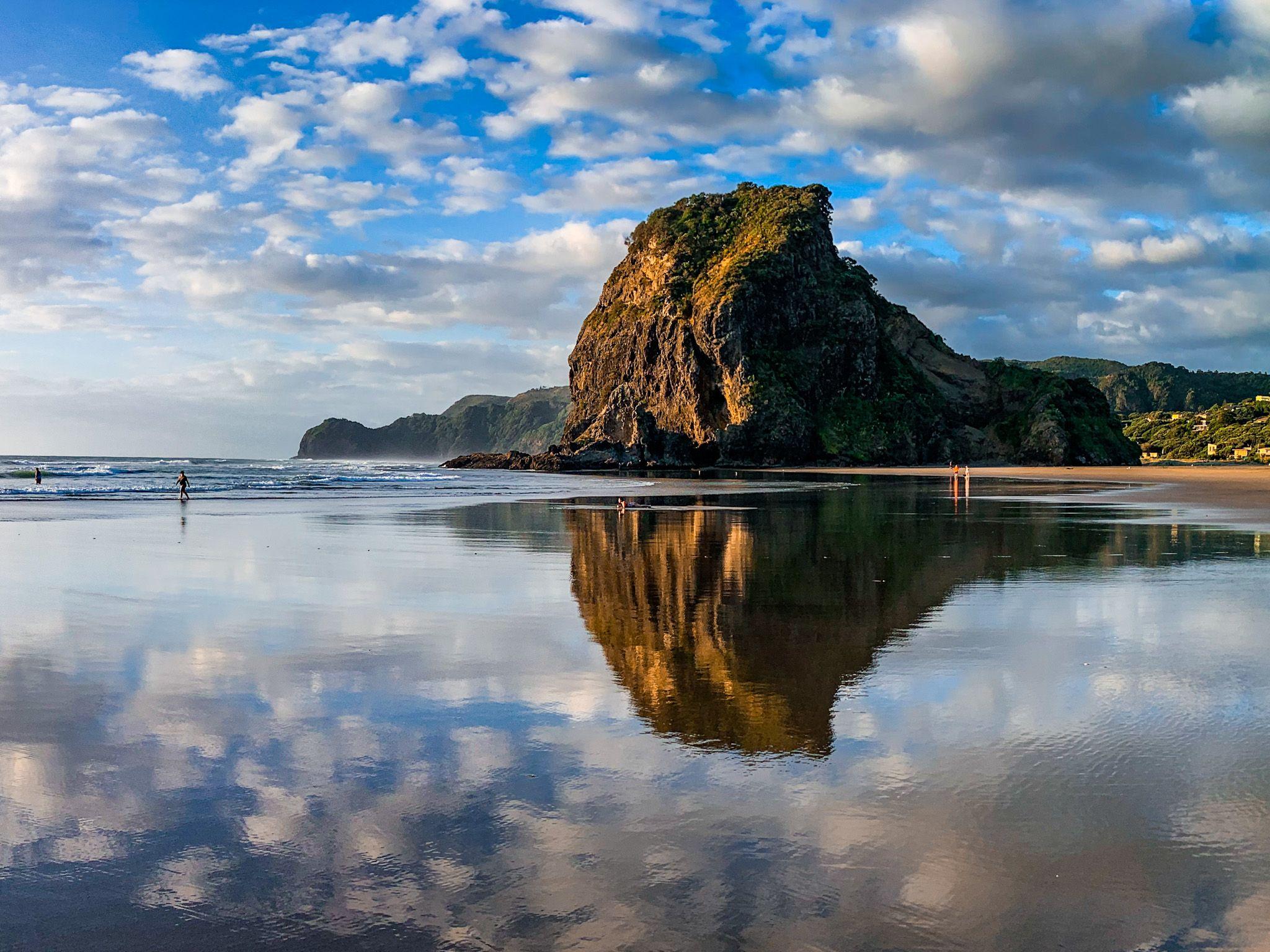
Iconic volcanic formation that divides the beach and serves as a landmark for an afternoon piha beach and rainforest tour. It is named after its resemblance to a resting lion.
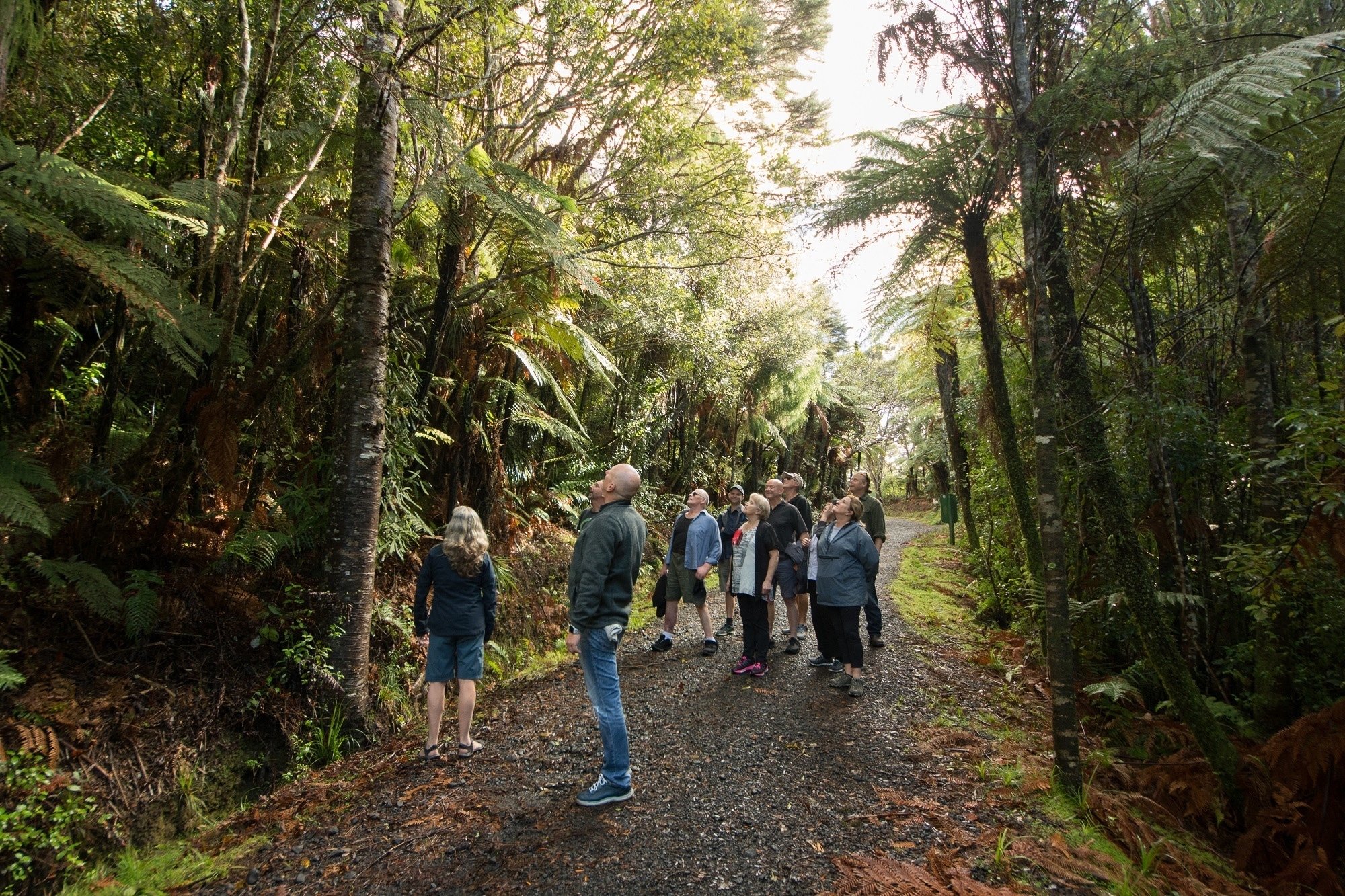
A multi-tiered waterfall accessible via a bush walk. It is a key stop on many an afternoon piha beach and rainforest tour.
The main access point to the beach and a central hub for an afternoon piha beach and rainforest tour. Features nearby surf clubs.
A scenic cliff-top trail offering panoramic views for those on an afternoon piha beach and rainforest tour.
They complement one another, though most visitors who do both find that Piha provides more rugged surf culture while Muriwai offers superior wildlife encounters. Choosing between these coastal landmarks often comes down to a preference for dramatic rock formations or accessible avian colonies.
| Feature | Top pick Piha Beach | Muriwai Beach |
|---|---|---|
Primary feature |
Lion Rock surf | Gannet colony |
Best for |
Surfing and rainforest | Birdwatching and walking |
Ease of access |
Standard road access | Standard road access |
Crowd levels |
Moderate to high | Moderate |
Photography potential |
Dramatic black sand | Clifftop avian views |
| See tickets → |
Verdict: If you seek an afternoon piha beach and rainforest tour tours experience, prioritize Piha for its iconic geography, while Muriwai serves as the ideal alternative for those requiring afternoon piha beach and rainforest tour tour options focused on nature, though neither requires afternoon piha beach and rainforest tour tickets for entry.
Choose your ticket, select your date, and reserve in under two minutes. Secure checkout handled by our verified partner.
Instant confirmation by email, with a mobile voucher you can save offline. No printing, no queuing at a collection desk.
Arrive at the entrance, show your voucher on your phone, and walk in. Most tickets include priority or skip-the-line access.
Practical details for your visit straight from our verified partners — hours, access, rules, and how to get there.
Casual beachwear is appropriate. Sturdy footwear is recommended if participating in an afternoon piha beach and rainforest tour.
No secure storage is provided. Keep valuables with you at all times during your afternoon piha beach and rainforest tour.
Photography is permitted. The coastline and Lion Rock are popular subjects for an afternoon piha beach and rainforest tour.
Beach access is via public paths. Some trails in the nearby rainforest may be uneven for those on an afternoon piha beach and rainforest tour.
The beach is family-friendly, but currents are strong. Always supervise children closely during an afternoon piha beach and rainforest tour.
Cafes are available in Piha village. Carry sufficient water for your afternoon piha beach and rainforest tour.
Best time to go, insider tips, nearby landmarks, and the cancellation fine print — flip through to skim what matters to you.
Flexible, no hidden fees.
Entry to the beach and park areas is 0 NZD. No booking or cancellation fees apply for public access.
Piha Beach stretches four kilometres along Auckland's Tasman coast, hemmed by the Waitakere Ranges, a volcanic cordillera cloaked in subtropical rainforest that predates human settlement by millions of years. The Ranges rise sharply from the black iron-sand shore, their canopy woven from rimu, kauri, and nikau palms, some stems dating to the twelfth century. Lion Rock, a 101-metre andesite stack, divides the beach into north and south crescents and serves as a nesting site for gannet colonies during the austral spring. The rock's Māori name, Taitomo Island, references its role as a seasonal fishing lookout for Te Kawerau ā Maki, the iwi who hold ancestral ties to the coastal plateau. The Waitakere Ranges Regional Park, gazetted in 1941, protects 16,000 hectares of regenerating bush and serves as Auckland's primary watershed. Logging operations ran until the early twentieth century, clearing native stands for kauri timber; reforestation efforts since the 1960s have restored much of the canopy, though mature kauri groves remain scarce outside designated sanctuary zones. The park's trail network spans 250 kilometres, threading through valleys carved by seasonal streams that empty onto Piha's shore. Kitekite Falls, a three-tiered cascade dropping 40 metres into a boulder basin, lies two kilometres inland from the beach carpark and draws the highest trail traffic of any Waitakere feature. Piha's surf breaks rank among New Zealand's most consistent, generating swells that exceed two metres year-round. The beach hosts national surf lifesaving competitions each February, a tradition dating to 1934 when the Piha Surf Life Saving Club was chartered. Rip currents form between the central rock and the shore during incoming tides, accounting for the majority of rescue incidents; lifeguard patrols operate weekends and public holidays from October through April. The black sand, composed of titanomagnetite eroded from the Ranges' basalt substrate, absorbs solar radiation and can reach surface temperatures of 50 degrees Celsius on summer afternoons. Access to Piha improved in 1974 when the gravel Piha Road was sealed, reducing travel time from central Auckland to 45 minutes. The settlement remains unincorporated, its 600 permanent residents clustered in weatherboard baches along Marine Parade South. No commercial accommodation operates within the beach precinct; visitor infrastructure comprises a single café, public toilets, and the surf club pavilion. The Ranges' kauri dieback disease, caused by the pathogen Phytophthora agathidicida, prompted Auckland Council to close several trails in 2018; containment protocols, including mandatory boot-wash stations, remain in effect across all park entry points as of 2026.
"Lion Rock divides the shore into twin crescents, each traced by foam lines that shift with the Tasman's mood."
A step-by-step walkthrough of the visit — what you'll see, how long each stage takes, and the details that matter.
You leave central Auckland mid-afternoon, tracing the Northwestern Motorway past Titirangi before the road narrows into the Scenic Drive corridor. The asphalt winds through the Waitakere foothills, eucalyptus and tree ferns crowding the verge, before descending sharply toward the coast. At the Piha lookout, two kilometres above the beach, you pull over: the Tasman stretches unbroken to the horizon, Lion Rock stands in silhouette, and the black-sand crescent curves south beneath cliffs striped with clay and basalt. You park at the beach carpark and cross Marine Parade to the shore. The iron sand crunches underfoot, dense and magnetic. You walk north toward Lion Rock, the stack rising sheer from the tideline, its western face scoured smooth by centuries of salt wind. Surf breaks in white lines across the bay; a dozen surfers sit beyond the break zone, waiting. You climb the rock's eastern flank via a chain-assisted path that switchbacks through flax and coastal scrub, reaching the summit platform in twelve minutes. From the top, you see both crescents, the forested Ranges inland, and the sun lowering over the open sea. Descending, you follow the inland trail to Kitekite Falls. The path drops into nikau groves, the air cooling as the canopy closes overhead. The falls appear after twenty minutes, water threading down three tiers into a pool edged by moss-covered boulders, the sound of the cascade drowning out the distant surf.
The beach area is open 24 hours, meaning you can start your afternoon piha beach and rainforest tour at any time. Daylight is recommended for the best experience.
Yes, the entrance fee is 0 NZD for access to the beach and park areas during your afternoon piha beach and rainforest tour.
Most tours meet at Marine Parade South, Piha, Auckland 0772, New Zealand.
No, there are no luggage facilities for your afternoon piha beach and rainforest tour.
Daylight hours are recommended for safety and scenery during your afternoon piha beach and rainforest tour.
Yes, families are welcome, but be aware of strong surf conditions during your afternoon piha beach and rainforest tour.
There are no restrictions on bringing food, though local cafes are available near the afternoon piha beach and rainforest tour route.
You will need a car to reach Piha Beach, as there is no direct public transport for an afternoon piha beach and rainforest tour.
Fires and littering are prohibited at Piha Beach during your afternoon piha beach and rainforest tour.